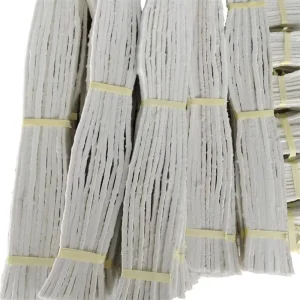
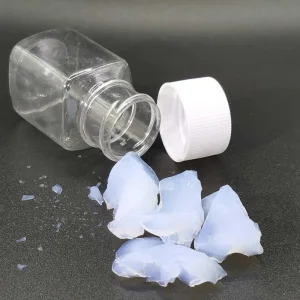
Explore our high-density, low thermal conductivity product portfolio engineered for extreme environments.
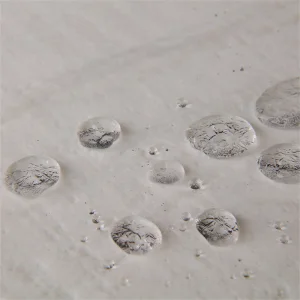
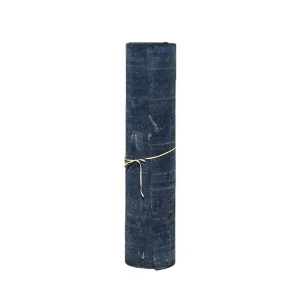
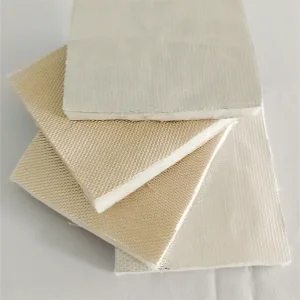
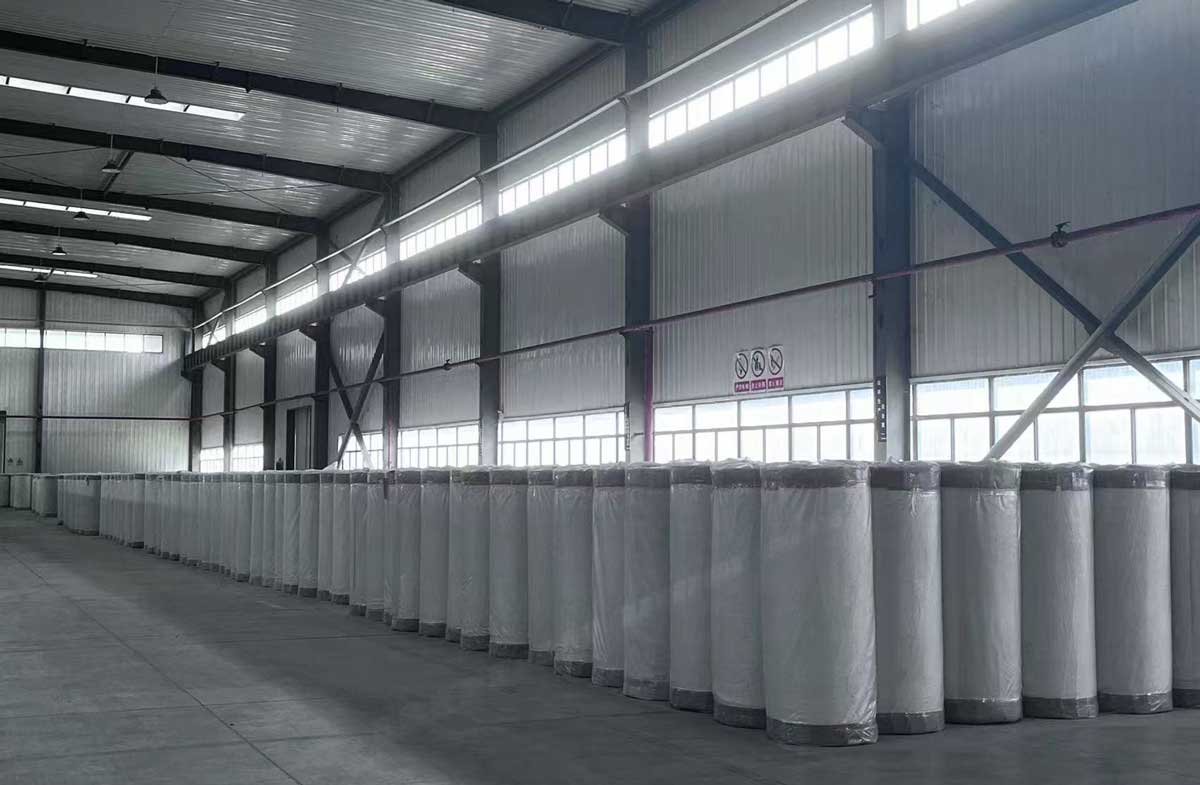
Henan Jutao New Material Co., Ltd. has been working for 10 years on thermal insulation solutions in Sustainability, we are the leading manufacturer and exporter of Aerogel material and Vacuum Insulation Panel to help solve challenges in resource efficiency, electrification, and sustainability. we are fully equipped to offer any size company with unparalleled product support and customer service.
We don’t just sell products. Instead, we are a knowledge-based provider backed by thousands of scientists, engineers, equipment, application and industry experts, and state-of-the-art laboratories dedicated to delivering tailored solutions for our customers from all over the world.
Mission: Provide Green and High-quality Materials That Can Improve Human Living Environment and Life Safety.
VISION: Trust, Respect, Faith, High Standards. How we facilitate global supply partnerships.
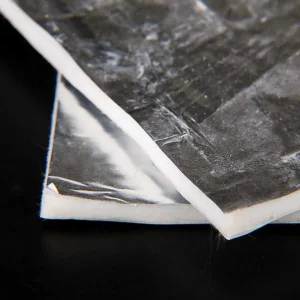
Custom geometries, custom encapsulation (aluminum foil, fiber meshes), and application-specific densities optimized for automotive battery spaces, aerospace engineering, or HVAC installation.
Integrated sales engineering support operating 24/7. Technical drawings, CAD adaptations, thermal simulation analysis, and raw material safety documentation delivered in under 24 hours.
Strategic logistics mapping from Henan, China, utilizing rail networks (Sino-Europe Block Train), major marine ports (Qingdao, Shanghai), and air freight lines to guarantee uninterrupted factory feedstocks.
Scientific breakdown of our core thermal barrier categories and their microstructural configurations.
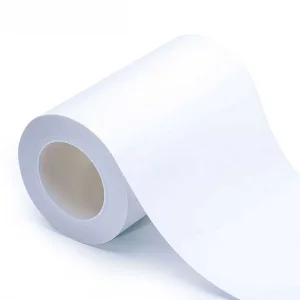
Aerogel insulation, a groundbreaking material known as the lightest solid on Earth, has been widely applied in construction for ultra-thin wall, roof, and window insulation; in industry for pipelines, tanks, and industrial equipment to save energy and improve safety; and in aerospace, automotive, and cryogenic systems to protect against extreme temperatures. It is also used in energy storage systems to prevent thermal runaway in EV batteries, as well as in specialized clothing and electronics.
Thermal Conductivity: ≤ 0.015 W/(m·K) to 0.018 W/(m·K) at ambient temperature. Under cryogenic conditions (-200°C), performance stabilizes below 0.012 W/(m·K), rendering it the ultimate choice for LNG terminal pipelines and transport vessels.

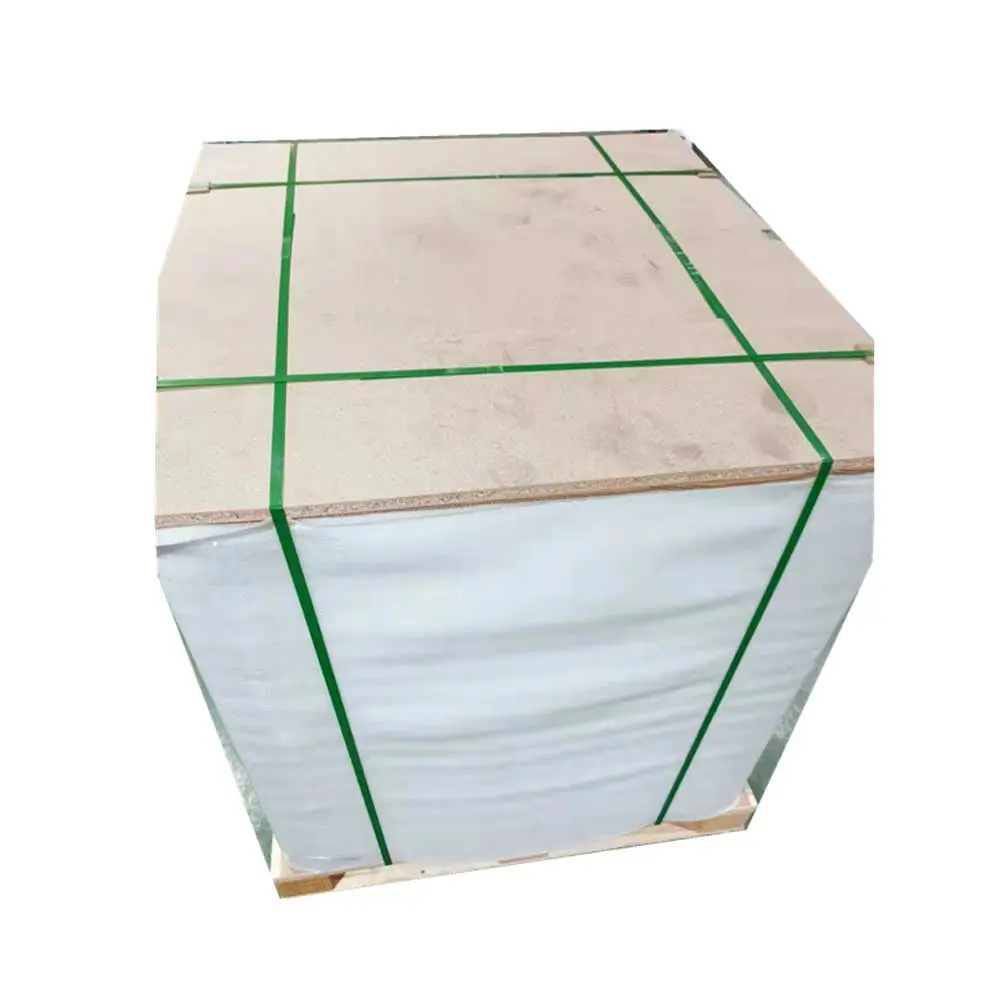
Vacuum Insulation Panel (VIP), a highly efficient thermal insulation material composed of a porous core and a gas-tight membrane to create a vacuum, used in buildings for walls, floors, roofs, and facades to provide excellent insulation with reduced thickness. Also used in refrigerators to improve energy efficiency.
Key Advantage: Eliminates gas-phase thermal conduction. In space-restricted applications like pharmaceutical logistics boxes or urban green construction retrofits, VIPs achieve R-values up to five times higher than standard polyurethane foams of equivalent thickness.

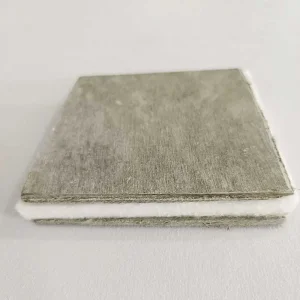
AEROGEL Thermal Barriers are ultra-lightweight, highly effective thermal insulator and fire-resistant barrier to prevent EV batteries thermal runaway and improve batteries’ safety and performance. Its nanoporous structure creates exceptional thermal resistance in a thin, compact form factor, which also allows for more space in the battery pack for energy storage. Key applications include insulating individual battery cells to stop heat transfer, acting as thermal barriers between cells and components, and lining battery enclosures for external protection.
Automotive Performance: Rated non-combustible Class A1/UL94 V-0. Even when battery cell failures elevate temperatures to 800°C - 1000°C, the silica or carbon-doped aerogel prevents adjacent cell heating, buying critical egress time for occupants.

A deep scientific exploration into thermal management dynamics, safety standards, and engineering performance parameters.
As international carbon neutrality objectives (such as the EU Green Deal and US Clean Energy regulations) accelerate transition matrices, modern industrial designs demand far higher performance from insulation. Standard fiber boards, polyurethane foams, and mineral wools are limited by their structural bulk and high baseline thermal conductivity (> 0.035 W/m·K). In cryogenic lines, maritime logistics, and high-density energy storage systems, conventional materials are no longer sufficient. Aerogels and Vacuum Insulation Panels (VIPs) offer the thermodynamic solution.
In high-density battery architectures, cell-to-cell thermal propagation represents the single greatest risk vector. Lithium-ion pouch and prismatic cells are packed tightly to optimize volumetric energy density. Under extreme load, mechanical stress, or manufacturing defects, a cell can enter thermal runaway, quickly exceeding 800°C. Advanced silica aerogel barriers act as micro-scale structural insulation firewalls, limiting the heat transmission rate so adjacent cells do not reach critical ignition thresholds. This provides the safety foundation needed for modern long-range electric vehicles.
To assist project engineers and procurement managers, the comparative table below details the performance differences across high-performance options:
| Thermal Barrier Class | Thermal Conductivity (W/m·K) | Operating Temp Range (°C) | Fire Classification | Compression Set (at 2MPa) |
|---|---|---|---|---|
| Silica Aerogel Blanket | 0.015 - 0.018 | -200 to +650 | Class A1 (Non-Combustible) | < 5% |
| Carbon Aerogel Sheet | 0.016 - 0.020 | -200 to +1000 | Class A1 / UL94 V-0 | < 3% |
| Vacuum Insulation Panel (VIP) | 0.003 - 0.005 | -50 to +80 | Class B1 / A2 (encapsulated) | Not Applicable |
| High-Silica Glass Fiber Pad | 0.032 - 0.038 | -50 to +800 | Class A1 | > 25% |
Advanced thermal barriers perform under diverse global environmental conditions. For instance:
The next generation of thermal barrier systems focuses on two main development paths: structural integration and organic-inorganic hybrids. Henan Jutao's R&D division is focused on hybrid aerogel-polyimide formulations that maintain flexibility while matching the thermal performance of pure silica aerogels. Furthermore, we are developing automated, inline-scanned vacuum verification methods for VIPs to ensure long-term vacuum stability over 50-year building lifecycles.
Another major trend is cell-to-pack (CTP) and cell-to-chassis (CTC) designs. These integration paths require thermal barriers to serve dual purposes: acting as thermodynamic barriers and high-strength mechanical components. By engineering custom fibers and adjusting matrix structures, our upcoming aerogel sandwich boards provide the high flexural strength and shear resistance needed to handle structural loads in vehicles.
Our facility in Henan, China, offers significant cost and scale advantages. By integrating raw material sourcing with advanced supercritical drying facilities, we control the entire aerogel production process.
Raw Material Access: Leveraging China's abundant silicon chemical supply chains, we secure precursor materials (TEOS, water glass) at competitive rates, shielding global clients from pricing volatility.
Scalable Production: Our continuous supercritical CO2 drying lines enable high volume production, significantly reducing processing costs compared to legacy batch methods.
Quality Management: Henan Jutao maintains compliance with IATF 16949 (Automotive Quality Management System) and ISO 9001, ensuring every batch meets the exact tolerances required for industrial use.
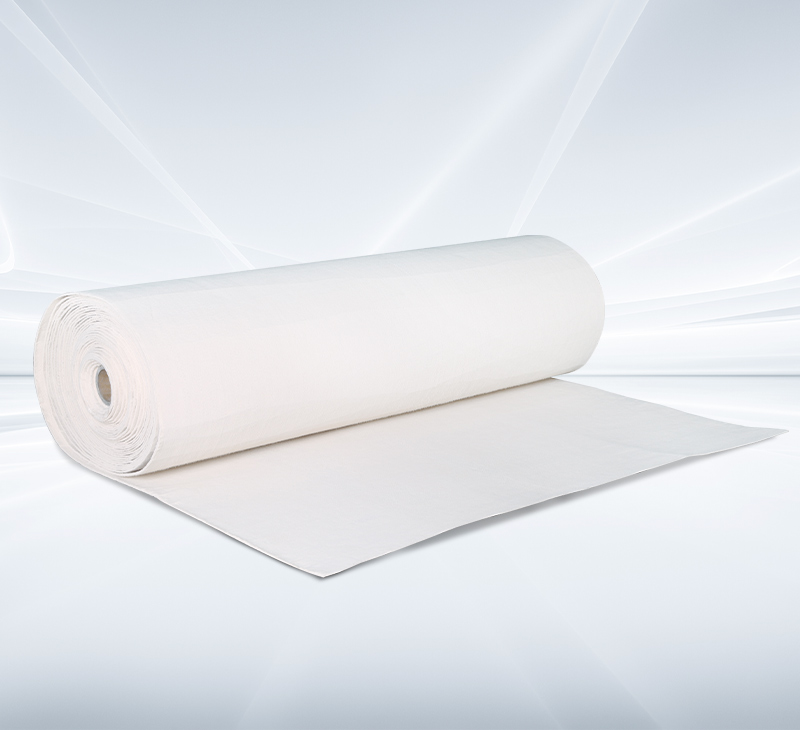
A closer look at our engineered configurations designed for distinct thermal conditions.
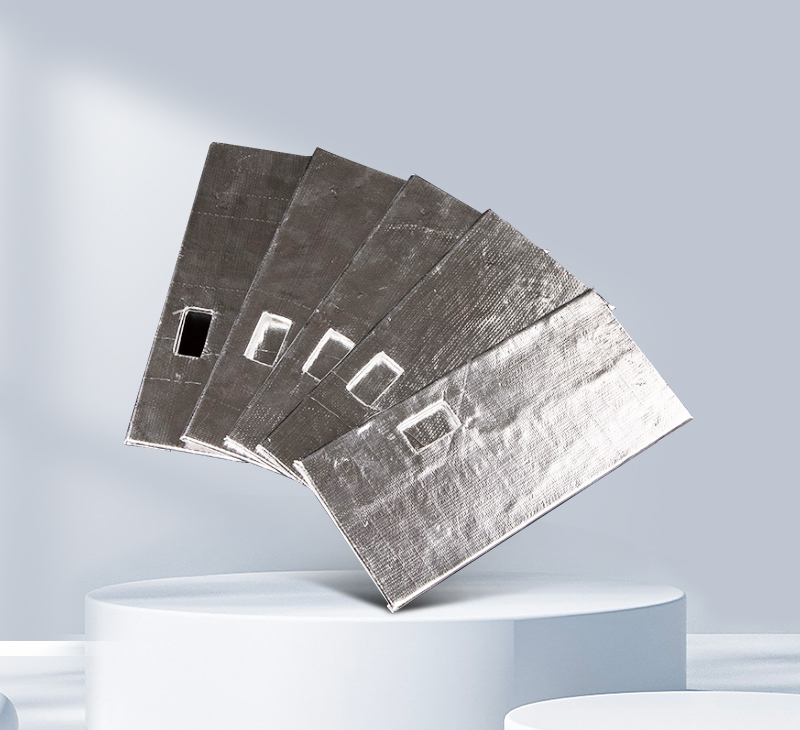
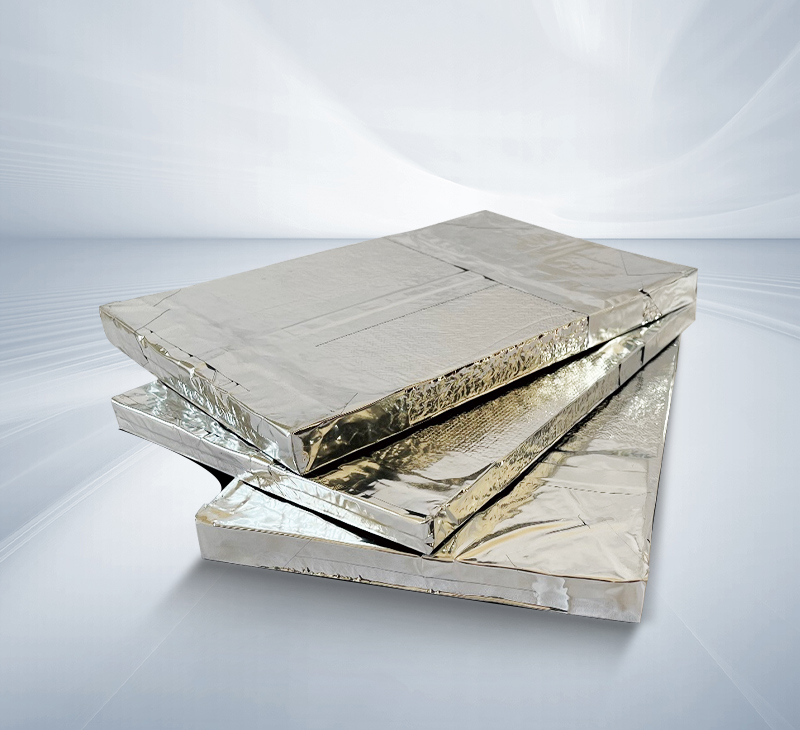
Eliminating deployment friction by matching exact local design requirements.
Our materials are certified according to international standard protocols, including ASTM C1728 (standard specification for flexible fibrous aerogel insulation), UL 94 V-0 (vertical burn testing for EV cells), CE EN 13162, and RoHS Directive standards for hazardous substance restriction.
We supply engineering teams with direct consultation, finite element thermal simulation (FEA) assistance, and custom dimension routing. We work alongside client designers to integrate insulation barriers seamlessly into battery housings or building designs.
We provide rapid sample turnarounds, delivering customized, waterjet-cut aerogel pieces and VIP panel prototypes within 7 to 10 days, helping you accelerate prototype evaluation cycles.
Deep-dive answers to common engineering, procurement, and design queries.
Partner with a leading, knowledge-based manufacturer of high-performance aerogels and vacuum panels. Reach out to our engineering desk to request thermal simulation data, custom geometry quotes, or sample kits.
Contact Our Engineering TeamFurther high-performance insulation models engineered to demanding specifications.
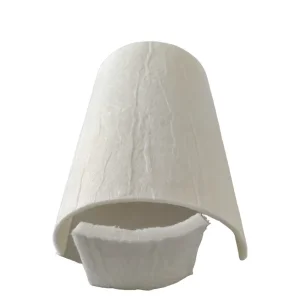
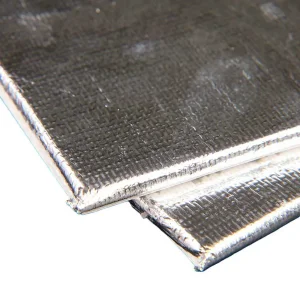
 JUTAO NEW MATERIAL