Aerogel strips have emerged as a groundbreaking solution for insulation challenges. These materials offer lightweight yet highly effective thermal resistance. Their unique structure, filled with air, makes them a top choice for energy-efficient designs.
Using aerogel strips requires some specific knowledge. It's crucial to understand their application technique. Improper use can lead to gaps, compromising insulation. Awareness of the material's properties can significantly enhance performance.
Many have reported great results with aerogel strips. However, installation mistakes can diminish their effectiveness. Users must consider environmental factors and building requirements. This balance between application and awareness is vital for maximizing benefits.
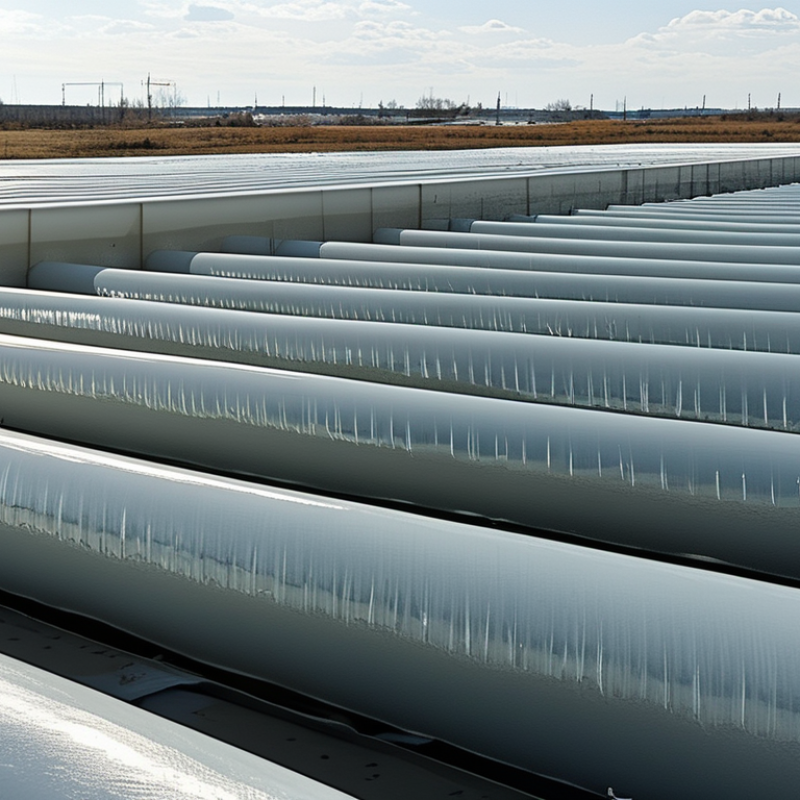
Aerogel is a remarkable material known for its exceptional insulating properties. Essentially, aerogel is a lightweight substance with a high porosity, made mainly from silica. It contains mostly air, which contributes to its ability to trap heat or cold effectively. This unique structure minimizes heat transfer, making it an excellent choice for insulation in various applications. Its low density and high surface area create a much greater insulation effect than traditional materials.
Tips for using aerogel strips effectively include ensuring proper installation. The strips should fit snugly in the intended spaces to maximize thermal performance. Air gaps can significantly reduce their insulating ability, so attention is crucial. Also, consider layering aerogel with other materials to enhance insulation further. While aerogel strips are highly efficient, they vary in thickness and size. Experimenting with different configurations may lead to better results.
Be aware that handling aerogel requires care. The material can be fragile, and its dust can cause irritation. Wearing masks and gloves is wise during installation. Regular checks for wear and tear will ensure lasting performance. Trusting this material means understanding its limitations too. Adjusting expectations and methods will lead to better insulation outcomes using aerogel strips.
Aerogel has gained popularity as a key material for insulation due to its exceptional properties. This lightweight and porous substance provides superior thermal resistance. Its structure traps air in tiny pockets, minimizing heat transfer. As a result, aerogel strips can significantly reduce energy loss in buildings. This efficiency makes it an appealing choice for energy-conscious consumers and builders alike.
The effectiveness of aerogel also lies in its low density. It is one of the lightest solid materials available. This property allows for easy application in various settings. Its flexibility allows for integration in different designs, enhancing aesthetic appeal. However, working with aerogel requires care. Its fragility can lead to challenges during installation. Proper handling and application methods must be emphasized to maximize its benefits.
In addition to thermal insulation, aerogel strips offer moisture resistance. This feature helps prevent mold growth in buildings. However, it is crucial to ensure proper ventilation alongside using aerogel. Failure to do so could lead to dampness, negating its insulating properties. Understanding these factors can enhance the user experience and make aerogel a truly effective insulator.
| Property | Value | Significance |
|---|---|---|
| Thermal Conductivity | 0.013 - 0.035 W/m·K | Extremely low thermal conductivity makes aerogel a superior insulator. |
| Density | 1 - 3 mg/cm³ | Lightweight and easy to handle, ideal for various applications. |
| Porosity | Up to 99.8% | High porosity allows for effective insulation while minimizing material use. |
| Fire Resistance | Non-flammable | Increases safety in building applications. |
| Moisture Resistance | Highly resistant | Prevents insulation degradation over time due to moisture. |
Aerogel strips are an excellent choice for effective insulation. Their lightweight and porous structure provides remarkable thermal resistance. When applied correctly, aerogel strips can significantly reduce energy loss in buildings and other applications. This guide will walk you through the application process step-by-step.
Start by preparing the surface where you will place the aerogel strips. Ensure it is clean and dry, as contaminants can reduce adhesion. Measure and cut the strips according to your needs, keeping in mind that precise measurements enhance performance. When positioning the strips, overlap them slightly to avoid gaps. Research indicates that proper installation can improve insulation effectiveness by up to 50%.
Tips: Use a utility knife for accurate cutting. Check for any imperfections in the strips, as small flaws can impact insulation performance. It’s important to address these before installation. Additionally, use appropriate adhesive for lasting results, as not all adhesives bond effectively with aerogel.
After installation, monitor the area for any signs of moisture buildup. Aerogel's properties can diminish if it absorbs too much water. Documentation from the Department of Energy states that maintaining a dry environment is crucial for optimal performance. Evaluating your insulation regularly ensures ongoing efficiency and effectiveness.
Aerogel insulation stands out for its unique properties. Traditional materials like fiberglass or foam are common, yet they have limitations. Aerogel strips offer superior thermal performance. They can reduce heat transfer effectively. This can lead to significant energy savings. In contrast, traditional materials often require more space to achieve similar insulation levels.
Moreover, aerogel is lightweight and easy to handle. This contrasts sharply with heavier options such as fiberglass. Installation can be simpler and faster. However, some people find aerogel pricing a barrier. It may not be the first choice for all budgets. Traditional materials may seem more familiar and easier to obtain. But they often don't perform as well in extreme conditions.
While aerogel excelled in insulation, it’s not without flaws. It can be more fragile than some traditional materials. Users should handle it with care to avoid cracks or damage. The experience with aerogel may vary based on installation conditions. Some areas may benefit greatly from its use, while others might not see as much of a difference. While it excels in specific applications, it's essential to evaluate each project's needs thoroughly.
Aerogel strips offer remarkable insulation properties thanks to their unique structure. However, to maintain their effectiveness, certain best practices must be observed. The ideal installation environment should be dry and clean. Moisture can reduce aerogel performance significantly, undermining the insulating benefits. A study indicates that aerogel can maintain thermal conductivity values as low as 0.013 W/mK under optimal conditions.
Regular inspections are crucial. Check for signs of wear or damage. Even small tears can lead to thermal bridging, which diminishes insulation efficiency. Repair any damages swiftly. Remember, minor issues can escalate quickly if left unattended. Additionally, avoid exposing aerogel strips to excessive pressure. This can compromise their fine structure.
Tip: Store aerogel strips in a climate-controlled area. Extreme temperatures can alter their properties. Ensure installation techniques minimize compressive stress during application. Proper handling can extend the lifespan of the insulation. Reflecting on these practices is key. Every installation project can present unique challenges. Adapting to these conditions will optimize aerogel’s effective use.
: Aerogel is a lightweight, porous material known for its excellent insulating properties.
Aerogel traps air in tiny pockets, minimizing heat transfer significantly.
Ensure strips fit snugly in spaces to maximize thermal performance and reduce air gaps.
Yes, layering aerogel with other materials can enhance insulation further.
Wear masks and gloves, as the material is fragile and dust may cause irritation.
Regularly check for wear and tear to maintain lasting performance.
Understand its fragility and adjust expectations for installation methods.
Yes, aerogel can prevent mold growth, but maintain proper ventilation to avoid dampness.
Yes, its flexibility allows for integration into different designs and enhances aesthetic appeal.
Poor ventilation could lead to dampness, which may negate the insulating properties of aerogel.
Aerogel Strips have emerged as a leading solution for effective insulation, thanks to their unique properties. Understanding aerogel's composition and functionality is crucial; it is a highly porous material that offers exceptional thermal resistance, making it ideal for various applications. The article outlines a step-by-step guide on how to apply aerogel strips effectively, ensuring optimal insulation performance.
Moreover, the comparison between aerogel insulation and traditional materials highlights the significant advantages that aerogel strips offer in terms of space efficiency and energy savings. To maintain the performance of aerogel insulation over time, best practices are discussed, emphasizing proper installation and care. Utilizing aerogel strips can greatly enhance insulation systems, leading to improved energy efficiency and comfort.

JUTAO NEW MATERIAL