Thermal Insulation Roll is a crucial component in energy efficiency. Used in homes and buildings, it helps maintain desired temperatures. Proper insulation reduces energy bills. It can also enhance comfort throughout the year.
One key benefit of Thermal Insulation Roll is its flexibility. It can fit various spaces, including attics and walls. This adaptability makes it an excellent choice for DIY projects. Most homeowners appreciate the ease of installation. However, some may struggle without professional guidance.
Understanding Thermal Insulation Roll is vital for anyone renovating or building. It’s not just about saving money; it's about creating a sustainable future. While many consider insulation an afterthought, it deserves serious attention. A well-insulated space improves overall quality of life.
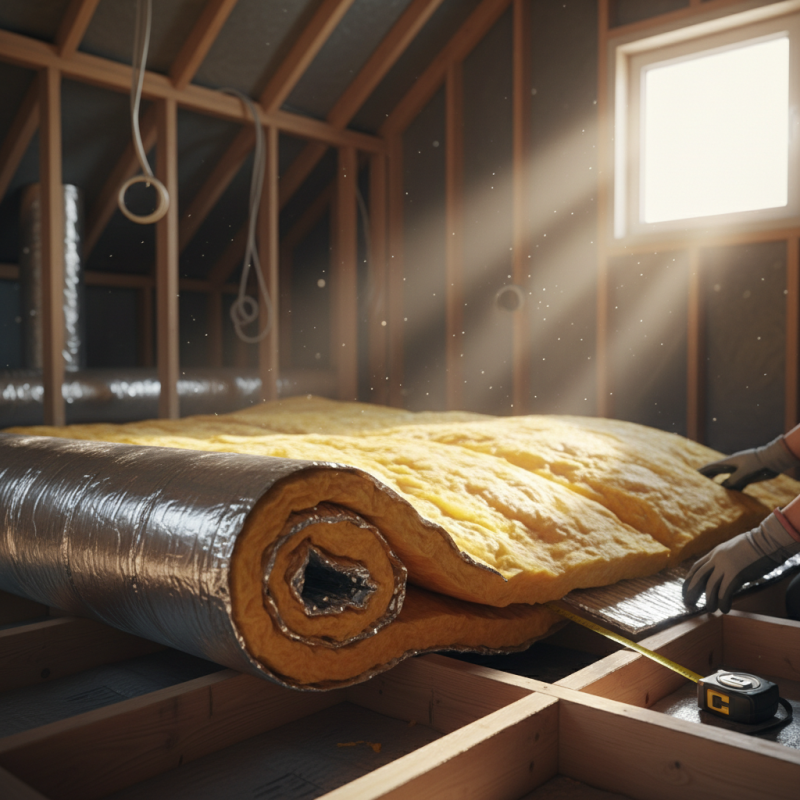
Thermal insulation roll is a versatile material commonly used in building construction. It helps reduce heat transfer, keeping spaces warm in winter and cool in summer. This type of insulation typically consists of fiberglass, foam, or other materials. Its flexibility allows for easy installation in walls, attics, and floors.
Using thermal insulation roll can lead to significant energy savings. Well-insulated spaces require less heating or cooling, lowering utility bills. Additionally, insulation contributes to a more comfortable indoor environment. However, not all applications are straightforward. Poor installation can lead to gaps, reducing effectiveness. Homeowners should ensure proper fitting to maximize benefits.
Investing in the right thermal insulation roll is crucial. Selecting appropriate thickness and material type affects overall performance. It’s valuable to consider local climate and specific building needs. Some might overlook these details, leading to suboptimal results. Taking time to evaluate options can prevent future issues.
When it comes to thermal insulation rolls, understanding the different types available is crucial for effective usage.
Fiberglass rolls are popular due to their efficiency and ease of installation. They offer excellent thermal resistance, making them ideal for attics and walls. The fibers are tiny, allowing for a snug fit. However, improper handling can lead to skin irritation.
Foam insulation rolls stand out for their lightweight nature. Commonly used in both residential and commercial spaces, they provide enhanced soundproofing. Their flexibility allows them to fit into odd spaces. Yet, they may not withstand moisture well, requiring extra precautions in humid environments.
Reflective insulation rolls use radiant barriers to reduce heat gain. Positioned in attics, they reflect heat away in hot climates. This approach can be less effective in colder areas. Homeowners should assess their climate before selecting reflective products. While each type serves its purpose, careful consideration and installation are essential to maximize benefits.
Thermal insulation rolls are essential for any building project. These products help regulate temperature, saving energy and costs. According to a report by the U.S. Department of Energy, proper insulation can reduce heating and cooling costs by up to 30%. This means substantial savings for homeowners and businesses alike.
The effectiveness of thermal insulation rolls comes from their ability to trap air. This trapped air is a poor conductor of heat, making it difficult for heat to pass through. As a result, spaces feel more comfortable year-round. Moreover, products often come with various R-values, representing their thermal resistance. Higher R-values mean better insulation performance. However, choosing the right type must consider specific project needs.
Using thermal insulation rolls also benefits the environment. Enhanced energy efficiency leads to lower carbon emissions. The U.S. Environmental Protection Agency states that improving insulation in existing buildings can cut greenhouse gas emissions significantly. Still, improper installation can diminish effectiveness. Attention to detail is vital. Overlooking gaps or using the wrong materials can result in energy loss. Thus, understanding the best practices is crucial for realizing maximum benefits.
Thermal insulation rolls play a crucial role in the construction industry. They are used in various applications such as walls, roofs, and floors. These rolls help reduce energy consumption by maintaining consistent indoor temperatures. According to the Department of Energy, proper insulation can reduce heating and cooling costs by up to 30%. However, many people still underestimate its importance.
In commercial buildings, thermal insulation rolls are often applied in HVAC systems. A well-insulated system enhances efficiency and prolongs equipment life. Many reports indicate that buildings without proper insulation can lose more than 40% of their energy. That’s a significant waste. Yet, some construction projects overlook insulation, leading to increased operational costs.
Residential applications also benefit greatly from insulation rolls. In colder climates, they help to retain heat. In contrast, they prevent excess heat during summer. A study by the Insulation Contractors Association reveals that homes with adequate insulation sell for up to 15% more than poorly insulated ones. Inspecting insulation during renovations becomes essential. It's easy to forget this detail, but it can have lasting financial implications.
| Attribute | Details |
|---|---|
| Material | Fiberglass, Foam, Mineral Wool |
| Thickness | Typically ranges from 1/2" to 2" |
| R-Value | R-values can vary from 3 to 6 per inch |
| Applications | Walls, Roofs, Floors, HVAC systems |
| Benefits | Energy efficiency, Noise reduction, Fire resistance |
| Installation | Easy to install, usually DIY-friendly |
Installing thermal insulation rolls properly is key to maximizing their effectiveness. First, assess your space. Measure the area where insulation will be installed. This helps in selecting the right size and amount of insulation. Common areas to insulate include attics, walls, and floors. Ensure the surface is clean and dry. This simple step can make a big difference.
Next, unpack your insulation rolls. Lay them out flat before installation. It's crucial to wear gloves and a dust mask for safety. Begin at one end of the area. Cut the insulation to fit snugly against the wall or floor. Avoid leaving gaps. Gaps can allow air leaks, reducing insulation efficiency. A sharp utility knife works best for cutting.
As you work, secure the insulation in place. Use staples or adhesive, depending on the surface. Pay attention to corners and edges. These areas often require extra care. If you notice any imperfections, don't hesitate to redo sections. A little extra time ensures better results. Proper installation enhances the comfort of your home and reduces energy costs significantly.
: It is a material used in building construction to reduce heat transfer.
It reduces the need for heating and cooling, lowering utility bills significantly.
They typically consist of fiberglass, foam, or other similar materials.
Poor installation can lead to gaps, which decrease its effectiveness and waste energy.
It traps air, making it difficult for heat to pass through, thus regulating temperature.
The R-value represents thermal resistance, with higher values indicating better insulation performance.
Yes, better insulation leads to lower carbon emissions and energy waste.
People often underestimate its importance and forget to evaluate insulation needs thoroughly.
Homes with adequate insulation can sell for up to 15% more than poorly insulated ones.
They should evaluate the local climate, material type, and thickness for optimal performance.
Thermal Insulation Roll is a crucial material used in construction to enhance energy efficiency and comfort in buildings. Typically made from various insulating materials, these rolls come in different types, catering to a range of applications. The benefits of using Thermal Insulation Rolls are significant, including reduced energy costs, improved thermal performance, and enhanced acoustic insulation.
In construction, Thermal Insulation Rolls are applied in walls, roofs, and floors to create a barrier against heat transfer. Proper installation is essential to maximize their effectiveness and involves careful placement and sealing to prevent air leaks. By understanding the types available and their applications, builders and homeowners can make informed decisions to create energy-efficient and comfortable living environments.

JUTAO NEW MATERIAL