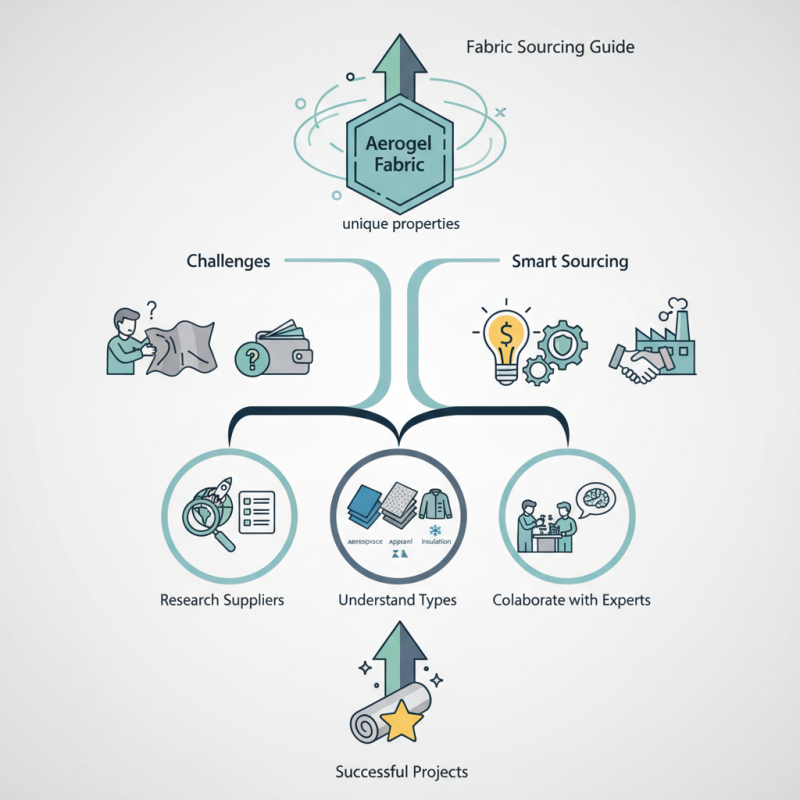
In recent years, Aerogel Fabric has gained attention for its unique properties. This lightweight material offers excellent insulation and low thermal conductivity. Many industries are exploring its potential applications, from aerospace to apparel. However, sourcing Aerogel Fabric can be challenging.
Finding reliable suppliers is crucial. Imagine the frustration of receiving subpar material that does not meet your project needs. You want fabric that is not only high quality but also cost-effective. Researching reputable manufacturers can save time and money in the long run.
When sourcing, consider the different types available. Each variety of Aerogel Fabric serves distinct purposes. Understanding these differences enhances your project outcomes. Collaborating with experts in material science could provide valuable insights. They can guide you in selecting the right Aerogel Fabric for your specific requirements.
Aerogel fabric is a remarkable material known for its unique properties. It is extremely lightweight yet incredibly strong. This unusual combination makes it suitable for a wide range of applications. Aerogel fabric can insulate against heat well. It has been used in space missions to protect equipment. Its ability to withstand extreme temperatures is a notable feature.
Despite its advantages, sourcing aerogel fabric can be a challenge. This material is not as widely available as conventional fabrics. You may need to do some research to find suppliers. Understanding the characteristics of aerogel fabric is essential. It is fragile and may require careful handling. This vulnerability can be a drawback in some situations.
When working with aerogel, it is important to consider its limitations. For example, while it is excellent for insulation, it is not always suitable for every project. Finding the right application will require experimentation. Engaging with experts in materials science can provide valuable insights. Learning more about aerogel can help refine your projects. The journey to mastering this material can be rewarding, but it may come with hurdles.
| Property | Description | Applications | Sourcing Tips |
|---|---|---|---|
| Thermal Conductivity | Extremely low, making it an excellent insulator. | Insulation in aerospace and building materials. | Look for suppliers specializing in advanced materials. |
| Weight | Very lightweight, enabling high performance in diverse applications. | Used in space missions and protective clothing. | Check for certifications in material safety and weight limits. |
| Porosity | Highly porous structure with a large surface area. | Filtration systems and oil spill cleanup. | Identify suppliers that offer customizable options. |
| Opacity | Translucent to transparent, depending on density. | Used in optical applications and transparent insulators. | Inquire about different densities and their optical properties. |
: Aerogel fabric enhances thermal insulation and energy efficiency while maintaining a lightweight structure. It is ideal for various applications.
This fabric significantly reduces energy loss, keeping indoor spaces warm in winter and cool in summer. It’s a valuable choice for insulation.
Pay attention to weight and thickness. Thicker materials offer better insulation but may add bulk. Evaluate based on your project needs.
Yes, aerogel is effective for lightweight components needing efficient thermal management. Quality sourcing is important for optimal performance.
Assess thickness, density, and thermal resistance. Test samples can reveal differences that product descriptions may not show.
Prices vary widely based on quality and quantity. Lower prices can signal quality compromises. Always compare performance with cost.
They provide easy access to various suppliers and products. Customer reviews help gauge quality and usability, guiding informed decisions.
Online images may not accurately depict the actual product. Variability in color and texture can occur, so thorough research is needed.
Yes, testing samples ensures the fabric meets your project requirements and minimizes waste from incorrect purchasing decisions.
Absolutely. Engaging with others in forums can provide better insight and enhance your understanding of aerogel fabric usage.
Aerogel Fabric is an innovative material known for its unique properties, such as exceptional thermal insulation and lightweight characteristics. Understanding these properties is crucial for identifying potential applications and projects that can benefit from aerogel fabric, ranging from aerospace engineering to advanced clothing design.
When sourcing aerogel fabric, it's important to research reliable suppliers to ensure quality and assess costs effectively. Evaluating various options enables potential users to make informed decisions. Additionally, utilizing online platforms and marketplaces can streamline the acquisition process, providing access to a wider range of suppliers and products. By combining knowledge of aerogel fabric's properties with effective sourcing strategies, project developers can successfully integrate this remarkable material into their work.

 JUTAO NEW MATERIAL