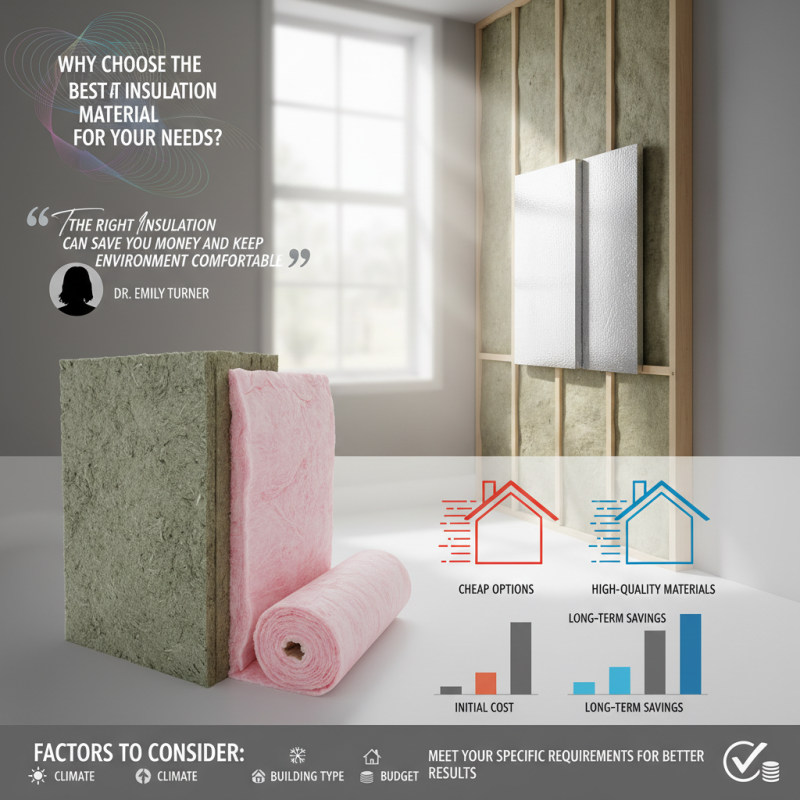
Choosing the right heat insulation material can greatly impact energy efficiency and comfort in your space. Leading industry expert, Dr. Emily Turner, once remarked, "The right insulation can save you money and keep your environment comfortable." Her extensive experience highlights the importance of making informed choices.
A quality heat insulation material should balance effective thermal resistance with application suitability. Factors like climate, building type, and budget play a key role in decision-making. For instance, cellulose insulation is eco-friendly and offers good performance, while fiberglass insulation is commonly used due to its affordability.
Many consumers overlook the long-term benefits of investing in high-quality materials. Cheap options may seem attractive but can lead to heat loss and increased energy bills over time. Reflecting on your needs is essential to avoid costly mistakes. Select materials that meet your specific requirements for better results.
Heat insulation is essential for maintaining comfortable indoor temperatures. It reduces energy costs and improves sustainability. Using the right material can drastically enhance your home's efficiency. Different insulation options have unique benefits. Understanding your specific needs is crucial to making an informed choice.
Choosing the right heat insulation can be overwhelming. You must consider factors such as climate, building design, and budget. Insulation materials vary widely in effectiveness and cost. Some options might fit your needs but could be over budget. Research is vital to avoid costly mistakes.
**Tips:** Always measure your space accurately. This ensures you purchase the right amount of insulation. Consider professional advice if you're unsure. Many homeowners underestimate the benefits of proper installation. Poor installation can lead to significant heat loss. Always reflect on the long-term benefits of investing in quality insulation.
This chart compares various heat insulation materials based on their R-values, which indicate their thermal resistance per inch of thickness. Higher R-values suggest more effective insulation, essential for energy conservation in buildings.
When choosing heat insulation materials, understanding the available options is crucial for optimal performance. Options range from fiberglass and foam boards to advanced materials like aerogels. According to a report by the Department of Energy, proper insulation can reduce energy costs by up to 30%. This showcases the importance of selecting the right material based on specific needs.
Fiberglass is a popular choice due to its cost-effectiveness and insulating properties. However, it may sag over time, leading to reduced efficiency. Foam boards offer better thermal resistance but can be vulnerable to moisture if not properly installed. Aerogels, while expensive, provide superior insulation without adding significant weight. A study by the Oak Ridge National Laboratory indicates that aerogels can achieve R-values above 10 per inch, making them a top-tier option.
Choosing the right heat insulation material is crucial for energy efficiency and comfort. When considering materials, several factors must be assessed. The R-value is a key metric in understanding thermal resistance. According to the U.S. Department of Energy, a higher R-value indicates better insulating properties. For example, fiberglass insulation typically has an R-value of around 2.9 to 3.8 per inch. On the other hand, spray foam insulation can offer R-values up to 6.5 per inch, potentially reducing heating and cooling costs significantly.
Installation type also plays a pivotal role. Some materials require professional installation, which adds to overall costs. In a study published by the National Insulation Association, it was found that improper installation can reduce the effectiveness of insulation by up to 50%. Consideration of moisture resistance is another important factor. Some materials can absorb water, leading to mold and reduced performance. In environments with high humidity, closed-cell spray foam is often recommended for its moisture-resistant properties.
Energy costs and local climate should influence your decision as well. In colder climates, more insulated materials may be needed to combat heat loss. Conversely, in warmer areas, reflective materials can keep spaces cool. Balancing these factors with your budget requirements can be a challenging task. Decisions may lead to regrets if the wrong material is chosen for a specific environment.
| Material Type | Thermal Conductivity (W/m·K) | R-Value (m²K/W) | Fire Resistance Rating | Cost per Square Meter ($) |
|---|---|---|---|---|
| Fiberglass Insulation | 0.04 | 3.5 - 4.2 | Class A | 0.50 - 1.00 |
| Foam Board Insulation | 0.02 - 0.03 | 4.0 - 6.5 | Class A | 1.50 - 3.00 |
| Spray Foam Insulation | 0.02 | 5.0 - 6.0 | Class A | 2.00 - 4.00 |
| Mineral Wool Insulation | 0.035 | 3.0 - 4.5 | Class A | 0.75 - 1.50 |
Heat insulation plays a critical role across various industries. In construction, for example, choosing the right insulation material can significantly enhance energy efficiency. Buildings with proper insulation keep interiors comfortable year-round. Consequently, this reduces reliance on heating and cooling systems. The impact is not only financial but also environmental. A well-insulated building minimizes energy waste.
In the manufacturing sector, heat insulation is equally vital. It protects equipment from extreme temperatures, which can cause malfunctions. Proper insulation keeps processes running smoothly. Industries like food processing rely on insulation to maintain product quality. Temperature control ensures safety and compliance with health regulations. However, many manufacturers underestimate the need for proper insulation, leading to costly repairs.
The automotive industry also benefits from heat insulation. Insulating materials help manage engine heat. This protects sensitive components from damage. As electric vehicles become more popular, innovative insulation materials are crucial. They improve battery efficiency and range. Despite this, not all automotive manufacturers prioritize insulation, which can affect performance. Making informed choices in insulation materials can lead to significant advantages.
The cost-effectiveness of high-quality heat insulation solutions is increasingly recognized within the industry. Research indicates that well-insulated buildings can save up to 30% on energy costs. In regions with extreme temperatures, effective insulation has demonstrated significant benefits over time. For instance, a study by the Department of Energy revealed that proper insulation in homes led to a return on investment within just five years.
Quality insulation materials, though sometimes more expensive upfront, can enhance the lifecycle of a building. They help maintain temperature stability, reducing the need for heating or cooling. This stability translates to lower energy bills. However, it's essential to assess the long-term savings against the initial cost. Not all high-quality materials justify their price, and some may not perform as expected.
Moreover, the reliability of insulation products varies widely. Some materials may degrade over time or fail to provide adequate insulation. Inconsistent performance leads to hidden costs in repairs or replacements. Professionals recommend conducting thorough research and consulting industry data before making a decision. Balancing cost and quality is crucial for optimal outcomes.
: Heat insulation helps maintain comfortable indoor temperatures and reduces energy costs. It also supports sustainability.
Assess your climate, building design, and budget. Different materials have varied effectiveness and costs.
The R-value measures thermal resistance. Higher R-values indicate better insulating properties, leading to energy savings.
Yes, improper installation can reduce effectiveness by up to 50%. Consider professional help if you're unsure.
Some materials absorb water, causing mold and reduced performance. Choose moisture-resistant options in humid areas.
Well-insulated buildings can save up to 30% on energy costs, making it a worthwhile investment over time.
While more expensive, they can enhance building durability and reduce energy bills. Evaluate long-term savings against initial costs.
Analyze the long-term benefits and potential regrets if the chosen material does not fit the environment.
Yes, some materials may not perform as expected and can lead to hidden costs in repairs or replacements.
Conduct thorough research and consider professional advice to make informed choices that fit your specific needs.
Choosing the best heat insulation material is crucial for enhancing energy efficiency and comfort in various settings. Understanding the importance and benefits of heat insulation reveals how it can significantly reduce energy costs and improve indoor temperatures, making it an essential aspect in construction and manufacturing. The article outlines various types of heat insulation materials available, providing a comprehensive overview that aids in informed decision-making.
When selecting heat insulation materials, several factors must be considered, including thermal performance, durability, and environmental impact. The applications of these materials span across numerous industries, highlighting their versatility and necessity. Additionally, high-quality heat insulation solutions offer long-term cost-effectiveness, making them a wise investment. By carefully evaluating these elements, one can ensure optimal selection for specific needs.
JUTAO NEW MATERIAL