How to Choose the Best Aerogel Insulation Sheets for Your Needs?

Time:2026-05-11 Author:Liam
0%

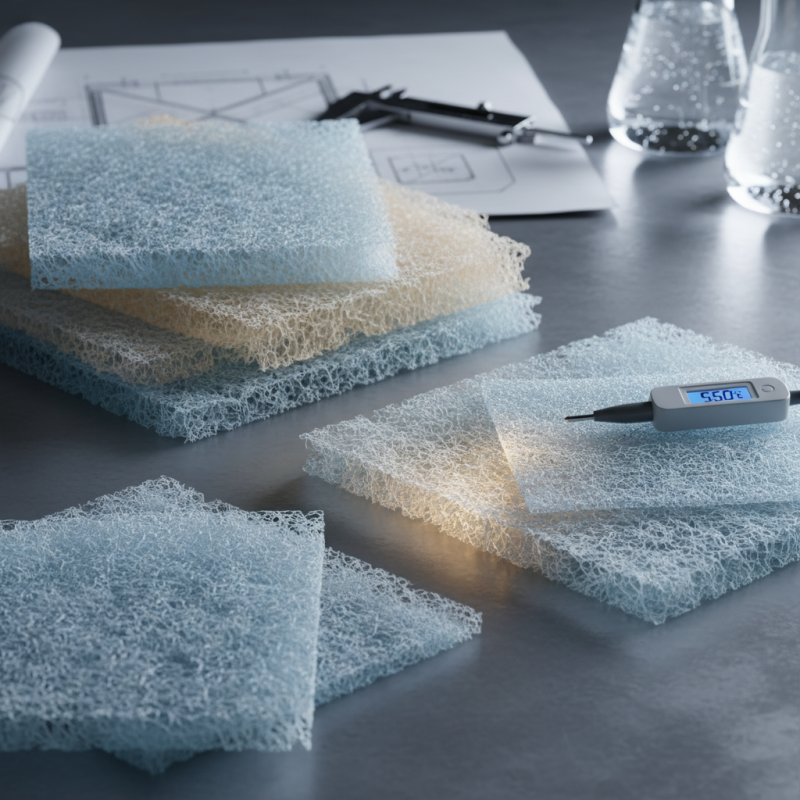
Aerogel Insulation Sheets are becoming a preferred choice in various industries due to their remarkable thermal properties. According to a report by the U.S. Department of Energy, aerogels are known for their ability to reduce heat transfer significantly, making them ideal for energy-efficient applications. These lightweight materials have thermal conductivity as low as 0.013 W/m·K, outperforming traditional insulation options.

However, selecting the right aerogel insulation sheets can be challenging. Not all products offer the same quality or performance. When assessing your needs, consider factors such as application type, thickness, and environmental conditions. In a recent study, 35% of construction professionals reported difficulties in choosing the right insulation materials, indicating a gap in knowledge about effective options.

The market for aerogel insulation is growing rapidly, yet many still overlook these advanced materials. Reflecting on past selections, professionals often realize that choosing poorly can lead to inefficiencies and increased costs. Engaging with experts and reviewing reliable data can help steer your decision in the right direction when opting for aerogel insulation sheets.
How to Choose the Best Aerogel Insulation Sheets for Your Needs?

Understanding Aerogel Insulation: Properties and Benefits

Aerogel insulation is a remarkable material with unique properties. It is incredibly lightweight and has excellent thermal resistance. According to recent studies from the Department of Energy, aerogel insulation can outperform traditional materials like fiberglass and foam by a significant margin. This performance is crucial in applications where space is limited but high insulation efficiency is necessary.

The key benefits of aerogel include its low thermal conductivity, which is around 0.013 W/m·K, making it one of the best insulators available. It also has a high melting point, allowing it to withstand extreme temperatures. Many industries benefit from this, especially in construction and aerospace sectors where temperature control is vital. However, the high cost of aerogel production can be a barrier for some users.

When selecting aerogel insulation sheets, it is essential to think about the specific application. Consider the environment and the expected temperature. Additionally, aerogel's hydrophobic properties make it resistant to moisture, but it requires careful handling due to its fragile nature. Users may find that its benefits outweigh these challenges when aiming for optimal performance.

Types of Aerogel Insulation Sheets Available in the Market

When exploring the market for aerogel insulation sheets, it’s crucial to understand the different types available. Typically, aerogel insulation comes in two main forms: blanket and rigid panels. Aerogel blankets are flexible, lightweight, and highly effective at minimizing heat transfer. According to a 2022 industry report, these blankets can reduce thermal conductivity to as low as 0.013 W/m·K, making them an excellent choice for applications requiring superior insulation in confined spaces.

Rigid aerogel panels, on the other hand, offer a solid surface with high compressive strength. These panels are particularly suited for structural applications. They are often used in industrial settings, where durability is key. An analysis from a recent study highlighted that these rigid panels can maintain their thermal properties even under extreme conditions. However, there may be challenges in installation due to their fragile nature, which requires thoughtful handling and careful application.

The choice between these types depends on your specific needs. Consider factors like environmental impact, installation ease, and thermal requirements. It's important for buyers to reflect on their unique circumstances and potential limitations before making a decision. While aerogels provide remarkable insulation, their selection should align with practical application contexts and installation constraints to maximize effectiveness.

Key Factors to Consider When Choosing Aerogel Insulation

When selecting aerogel insulation sheets, several key factors should guide your decision. First, consider thermal performance. Aerogels have outstanding thermal resistance, often exceeding R-values of 10 per inch. This efficiency means they can significantly reduce energy costs. High-quality products can provide an energy savings of up to 30% annually. Such savings are crucial in energy-intensive environments.

Next, evaluate the physical properties. Aerogel sheets should offer durability and lightweight advantages. Their low density, typically around 3 kilograms per cubic meter, allows for easy installation without sacrificing strength. Some reports suggest a lifespan exceeding 20 years with minimal degradation. However, this performance can be affected by environmental factors, making installation quality paramount.

Lastly, analyze the cost-effectiveness. While aerogel insulation can be pricier upfront, the long-term benefits are often worth the investment. Many studies indicate a payback period of 3 to 5 years through reduced heating and cooling expenses. Despite the initial costs, the return on investment can be very favorable. It's essential to weigh the long-term savings against your budget constraints. Choose wisely to ensure that your insulation meets both current and future needs.

How to Choose the Best Aerogel Insulation Sheets for Your Needs?

Factor Description Importance Level
Thermal Conductivity Measures the ability of the insulation to resist heat flow. High
Density Affects strength, durability, and insulation properties. Medium
Thickness Influences insulation performance and space considerations. High
Moisture Resistance Prevents degradation and maintains insulation performance. High
Fire Resistance Important for safety and compliance with building regulations. High
Cost Overall expenses for installation and materials. Medium

Applications of Aerogel Insulation Sheets in Various Industries

Aerogel insulation sheets have become essential in various industries due to their remarkable thermal properties. In the aerospace sector, they are utilized to protect sensitive instruments from extreme temperatures. The lightweight nature of aerogels makes them ideal for aircraft insulation, improving fuel efficiency while ensuring safety. However, their fragility can be a concern during installation and maintenance.

In the construction industry, aerogel sheets are employed for energy-efficient buildings. They significantly reduce heat loss, enhancing overall comfort. These sheets can fit into walls or roofs seamlessly. Yet, their cost and availability pose challenges for many builders. Adopting aerogel technology might require rethinking budget allocations.

The oil and gas industry also finds value in these sheets. They provide insulation for pipelines located in harsh climates. In this context, the durability of aerogel sheets is crucial. However, potential buyers should assess their operational limits under extreme conditions. Understanding these applications allows businesses to choose the right insulation for their specific needs.

Cost Considerations and Budgeting for Aerogel Insulation Projects

When planning an aerogel insulation project, understanding costs is essential. Aerogel materials are known for their superior insulation properties, but they often come with a higher price tag. Budgeting effectively will help you make the best choice without overspending. Start by assessing the total area you need to insulate. This will give you a clear idea about the quantity of materials required. Consider both upfront costs and potential long-term savings on energy bills.

Researching installation costs is equally important. Professional installation may be necessary for optimal performance. Prices can vary significantly depending on the complexity of the project. Comparing quotes from various contractors can help you find the best deal. Look out for options that include warranties or after-sales support, which enhance long-term reliability. Unexpected expenses can arise, so having a contingency fund is wise.

Finally, factor in the potential benefits of using aerogel insulation. While the initial expense is higher, the efficiency and effectiveness can lead to substantial savings over time. Evaluate the balance between cost and performance. Sometimes, opting for a slightly less expensive option might lead to higher energy costs later. Reflect on your specific needs and financial situation to make an informed decision.

Cost Comparison of Aerogel Insulation Sheets

This chart displays the cost comparison of various types of aerogel insulation sheets per square foot. The costs for thin, standard, thick, and custom aerogel composites vary, reflecting the different properties and efficiencies they offer in insulation projects.

FAQS

: What is aerogel insulation?

: Aerogel insulation is a lightweight material known for excellent thermal resistance.

Why is aerogel insulation considered efficient?

It has low thermal conductivity, around 0.013 W/m·K, outperforming traditional materials.

What industries commonly use aerogel insulation?

Construction and aerospace sectors benefit significantly from its thermal performance.

What are the challenges of using aerogel insulation?

Its high production cost and fragile nature may deter some users.

How does aerogel insulation perform in extreme temperatures?

It has a high melting point, allowing it to withstand extreme conditions effectively.

How long can aerogel insulation last?

Reports suggest a lifespan exceeding 20 years with proper installation and maintenance.

What factors should I consider when choosing aerogel insulation?

Assess thermal performance, physical properties, and cost-effectiveness for your specific needs.

Can aerogel insulation help reduce energy costs?

Yes, it can provide annual energy savings of up to 30% in energy-intensive environments.

Is the high cost of aerogel insulation worth it?

Although pricier initially, the long-term benefits often justify the investment.

What precautions should I take when handling aerogel insulation?

Handle carefully due to its fragile nature, despite its hydrophobic moisture resistance.

Conclusion

Aerogel insulation sheets are known for their exceptional thermal performance and lightweight characteristics, making them an attractive option for various applications. Understanding the properties and benefits of aerogel insulation sheets is crucial when selecting the right product for specific needs. These sheets come in different types, each tailored to address unique requirements across different industries.

When choosing aerogel insulation sheets, several key factors should be considered, including thermal resistance, thickness, and environmental conditions. Additionally, it’s important to evaluate the budget and overall cost implications of an aerogel insulation project, as these products can vary significantly in price. By thoroughly assessing these components, users can make informed decisions that enhance energy efficiency and performance in their respective applications.


Liam

Liam

Liam is a dedicated marketing professional with a profound expertise in the industry, where he excels at highlighting the unique advantages of our core products. With a keen understanding of market trends and consumer needs, Liam frequently updates our company’s professional blog, providing......