Insulated Panels are gaining popularity in construction due to their numerous benefits. According to a study by the International Panel Industry Association, the use of insulated panels can improve energy efficiency by up to 60%. This can lead to significant cost savings over time, making them a wise investment for both residential and commercial projects.
These panels provide superior thermal insulation, ensuring a stable indoor climate. Inadequate insulation can result in heat loss and increased energy bills. Insulated Panels address this issue by creating a barrier against temperature fluctuations. Their lightweight nature also simplifies handling and installation, which can speed up project timelines.
While the advantages are considerable, it's important to recognize potential challenges. For example, the initial costs can be higher than traditional materials. Additionally, ensuring proper installation and maintenance is crucial to maximize their lifespan. Overall, Insulated Panels represent a significant advancement in construction, balancing efficiency with long-term value.
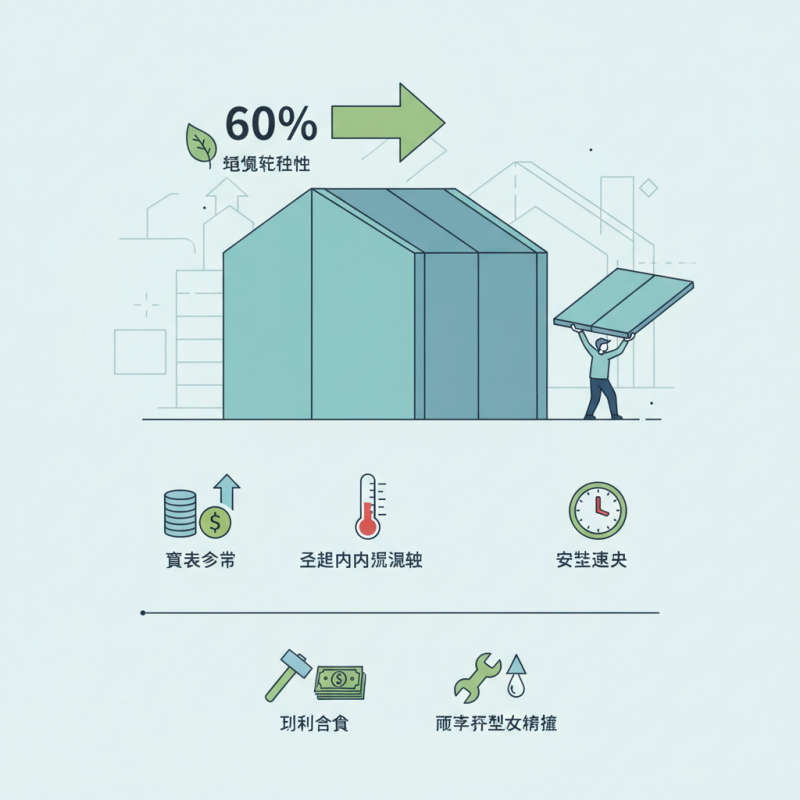
Benefits of Insulated Panels in Energy Efficiency and Cost Savings
Insulated panels offer significant benefits in terms of
energy efficiency and cost savings.
These panels are designed to minimize heat transfer, keeping buildings warmer in winter and cooler in summer.
This feature leads to reduced energy consumption for heating and cooling.
For instance, a well-insulated structure can lower energy bills by up to
50%.
Moreover, insulated panels enhance building durability. They resist moisture and environmental wear, meaning fewer repairs over time.
Using less energy also translates to a smaller carbon footprint. However, it's crucial to choose the right materials and installation methods.
Poor workmanship can negate the advantages of insulation.
Additionally, upfront costs may seem higher than traditional materials. However, examining long-term savings reveals a different picture.
The investment often pays off within a few years through lower utility bills.
A balance between initial expenses and future benefits is essential.
Every project is unique, and careful planning is vital.
Impact of Insulated Panels on Building Thermal Performance Standards
Insulated panels play a crucial role in enhancing building thermal performance. These panels provide exceptional insulation that helps maintain indoor temperatures. By reducing heat transfer, they can significantly lower heating and cooling costs. This efficiency is increasingly important in today's environmentally-conscious construction sector.
Using insulated panels can lead to compliance with strict thermal performance standards. Many countries and regions impose regulations on energy efficiency in buildings. Insulated panels can assist builders in meeting these standards. However, not all panels are created equal. It is essential to consider the material and installation quality.
While insulated panels offer clear benefits, challenges may arise. Proper installation is crucial. Even small gaps can compromise performance. Additionally, the long-term durability of the materials should be evaluated. Builders must weigh these factors against potential energy savings. This careful consideration can lead to better decision-making in project planning.
Reduction of Carbon Footprint through Advanced Insulated Panel Designs
Insulated panels are increasingly recognized for their role in reducing carbon footprints. These advanced designs improve thermal efficiency, which directly translates to lower energy consumption. With less reliance on heating and cooling systems, buildings built with insulated panels can significantly cut greenhouse gas emissions.
The materials used in these panels often include recycled content, further enhancing their sustainability. By choosing high-performance options, project managers not only contribute to environmental protection but also comply with increasing regulatory demands for sustainability. However, some may argue that initial costs can be high. This can lead to hesitation among developers. Still, the long-term benefits often outweigh these concerns.
Adopting insulated panels invites reflection on the construction industry's environmental impact. Are we doing enough to mitigate climate change? While insulated panels represent a step forward, continuous innovation and commitment are necessary. By embracing these materials, we can take meaningful strides toward a more sustainable future.
Applications of Insulated Panels in Commercial and Residential Projects
Insulated panels have gained popularity in both commercial and residential projects. These panels provide significant thermal insulation, which helps maintain comfortable indoor temperatures. In a commercial setting, energy efficiency is crucial. Buildings such as warehouses and retail spaces benefit from reduced heating and cooling costs.
In residential applications, insulated panels can be used in walls, roofs, and even floors. They create cozy living environments and can reduce energy bills. Homeowners enjoy the added benefit of noise reduction. However, not every project can use these panels effectively. Architects must consider the local climate and building codes.
While insulated panels offer various advantages, there can be challenges as well. Improper installation may compromise their effectiveness. Choosing the right type is crucial. Homeowners and builders should consult professionals with expertise in insulated panel installations. This ensures optimal performance and long-term benefits.
Benefits of Insulated Panels for Your Projects
| Benefit |
Description |
Applications |
| Energy Efficiency |
Insulated panels reduce energy consumption by maintaining temperature, leading to lower heating and cooling costs. |
Commercial buildings, residential homes, cold storage facilities. |
| Speed of Installation |
Panels can be quickly assembled, reducing construction time and labor costs. |
Retail spaces, warehouses, prefab homes. |
| Sustainability |
Made from recyclable materials, offering a reduced environmental impact. |
Green buildings, eco-friendly constructions. |
| Durability |
Resistant to weather, pests, and corrosion, leading to longer lifespan. |
Industrial buildings, climate-sensitive environments. |
| Aesthetic Flexibility |
Available in various colors and finishes to match design requirements. |
Retail fronts, modern residential facades. |
Comparative Analysis of Insulated Panels vs. Traditional Building Materials
Insulated panels are emerging as a favorable alternative to traditional building materials. Their efficiency is notable, especially in energy conservation. According to the U.S. Department of Energy, insulated panels can enhance thermal performance by up to 50% compared to conventional materials. This significantly reduces heating and cooling costs, promoting sustainability.
In terms of installation, the speed and efficiency of insulated panels stand out. Studies show that projects using these panels can reduce labor time by up to 40%. Traditional materials often require extensive framing and insulation steps, which adds to project duration. Insulated panels, being prefabricated, simplify this process, allowing for quicker turnarounds.
However, the initial investment in insulated panels can be higher than traditional materials. This may deter budget-conscious builders. Understanding long-term cost savings is crucial. Property owners must weigh upfront costs against energy savings over time. This reflection is essential for informed decision-making.
Benefits of Insulated Panels vs. Traditional Building Materials
Conclusion
Insulated Panels offer numerous benefits that enhance both energy efficiency and cost savings in construction projects. These panels significantly improve building thermal performance, helping structures meet modern energy standards while reducing overall energy consumption. Additionally, advanced designs of insulated panels contribute to a lower carbon footprint, making them an environmentally friendly option for developers and builders.
Moreover, Insulated Panels are versatile, finding applications in both commercial and residential projects. Their superior insulation properties make them a preferable choice over traditional building materials, resulting in a comparative advantage in terms of thermal regulation and sustainability. As building practices evolve, incorporating insulated panels stands out as a strategic decision for creating energy-efficient and eco-conscious structures.

 JUTAO NEW MATERIAL